
Keeping the Oil Patch Moving: The Vital Role of Flatbed Regional & OTR Trucking
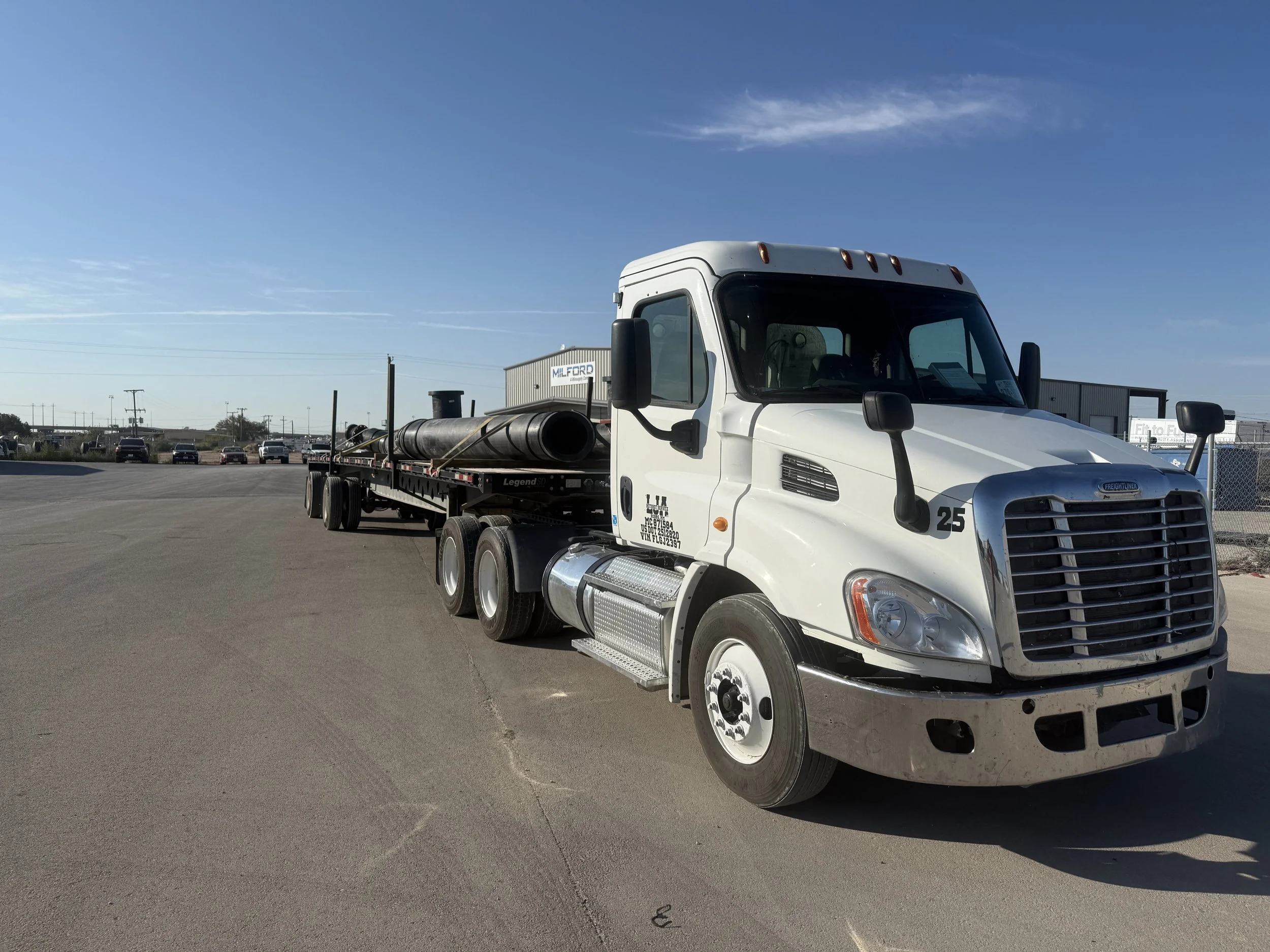
In the oil and gas industry, time isn't just money, it’s the difference between a productive quarter and a massive deficit. When a rig goes dark or a completion crew sits idle, the costs stack up at a rate that would make most accountants sweat. At the heart of this high-stakes environment is the logistics network, specifically the flatbed regional and over-the-road (OTR) trucking fleets that serve as the circulatory system of the oil patch.
Without the steady hum of diesel engines and the sight of strapped-down steel moving across the Permian or Eagle Ford, the industry would grind to a halt. From drill pipe and casing to massive skid-mounted compressors, every piece of equipment has a deadline. This article dives into why flatbed logistics is the unsung hero of energy production and how specialized hauling prevents the dreaded "rig down" scenario.
The Regional Workhorse: Keeping the Daily Operations Fed
Regional flatbed trucking is the "daily bread" of the oilfield. These drivers typically operate within a few hundred miles of their home base, moving materials between local supply yards, rail terminals, and active jobsites. They are the ones ensuring that when a driller reaches for the next segment of pipe, it's already there waiting on the rack. Reliability in regional hauling means understanding the rhythm of the patch. It’s about knowing which lease roads turn into soup after a West Texas thunderstorm and which gate guards require specific paperwork. This localized expertise allows for "just-in-time" deliveries that keep site footprints small and efficiency high. When you avoid wasting time on jobsite downtime, you’re usually relying on a regional flatbed driver who knows the shortcuts. These routes are the backbone of completions and workover projects where equipment needs to move fast and frequently. Without this agile regional capacity, the "last mile" of oilfield logistics would become a permanent bottleneck.
OTR Flatbed: The Long-Haul Lifeline for Major Assets
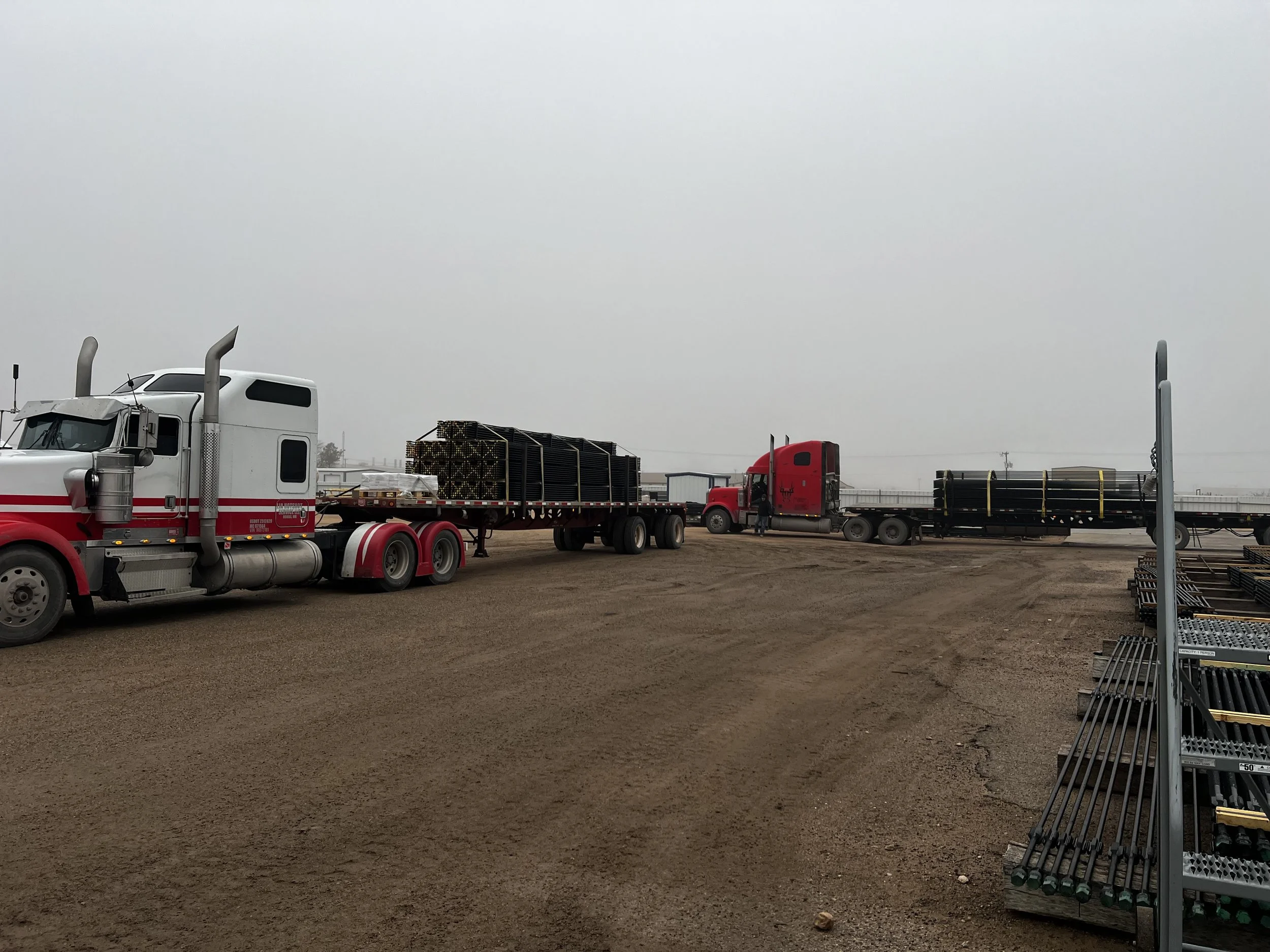
While regional drivers handle the day-to-day, Over-the-Road (OTR) flatbed trucking connects the oil patch to the rest of the world. Large-scale infrastructure projects, such as new midstream plants or refinery turnarounds, require massive components that often travel across several state lines. This is where OTR expertise becomes critical for the energy sector.
Moving a 60-foot structural steel beam or a 100,000-pound compressor from a fabrication shop in the Midwest to a remote site in New Mexico isn't a job for the faint of heart. These long-haul routes require meticulous planning, specialized trailers, and drivers who can manage heavy loads over thousands of miles. OTR flatbeds ensure that the heavy machinery manufactured in industrial hubs actually makes it to the dirt where it’s needed.
The flexibility provided by OTR fleets also allows operators to shift assets between different shale plays as market conditions change. If a rig is needed in the Bakken but is currently sitting in Texas, it’s an OTR flatbed team that makes that transition possible. This mobility is a key strategic advantage for equipment rental companies and oilfield tool providers.
The High Cost of "Rig Down" Situations
In the oilfield, a "rig down" situation is the ultimate nightmare. Whether it’s a failed Blowout Preventer (BOP) or a snapped drill line, every hour the rig isn't turning is an hour of lost revenue. Often, the only thing standing between a multi-day delay and a quick fix is a flatbed truck carrying a replacement part.
Standard freight often doesn't cut it in these emergencies. Most oilfield equipment is too heavy, too wide, or too awkwardly shaped for a standard dry van. This is why specialized flatbed services are non-negotiable for oilfield construction and tool companies. You need an open deck that can be loaded from the side or overhead by a crane at a moment's notice.
The financial impact of logistics delays cascades through the entire operation. It’s not just the cost of the idle rig; it’s the cost of the crews, the support services, and the missed production targets. Reliable trucking partners act as an insurance policy against these astronomical downtime costs.
Load Securement: Precision in a Rough Environment
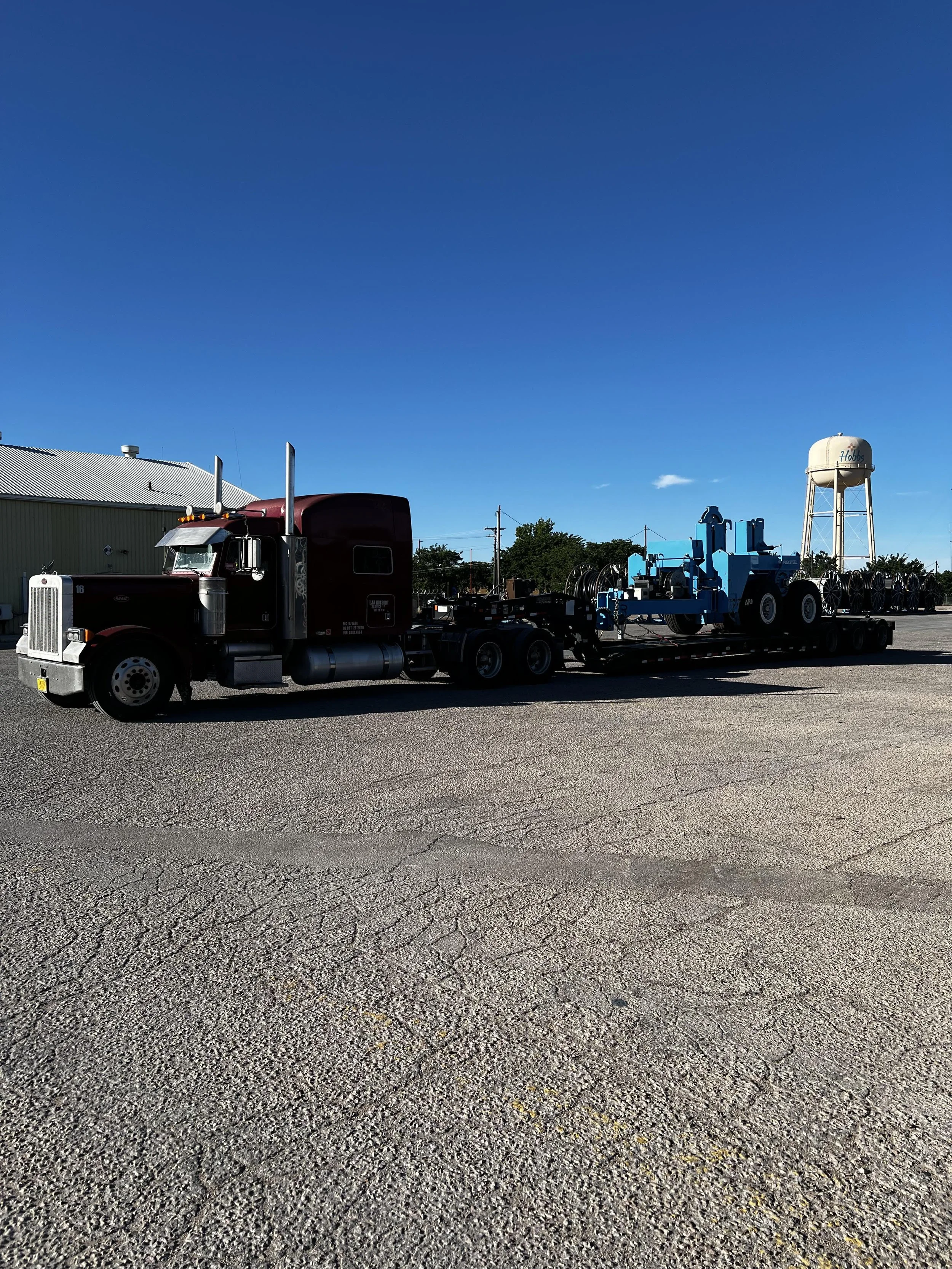
Hauling for the oil patch isn't like hauling pallets of consumer goods. The freight is often irregular, top-heavy, and incredibly valuable. Proper load securement is both a safety requirement and an operational necessity to ensure the equipment arrives in working order.
A single loose chain or a poorly placed strap can lead to a catastrophic failure on the highway or, worse, damage to a critical component that isn't discovered until it’s being installed. Flatbed drivers in this industry are specialists in using winches, binders, and edge protectors to "soft tie" sensitive electronics or "hard tie" heavy steel.
Furthermore, carrier compliance and safety ratings play a massive role here. A truck stuck at a DOT weigh station due to a securement violation is a truck that isn't making its delivery. In the oil patch, "almost there" doesn't count; the equipment has to be on the ground and ready to work.
Oversized and Over-Dimensional: Beyond the Standard Deck
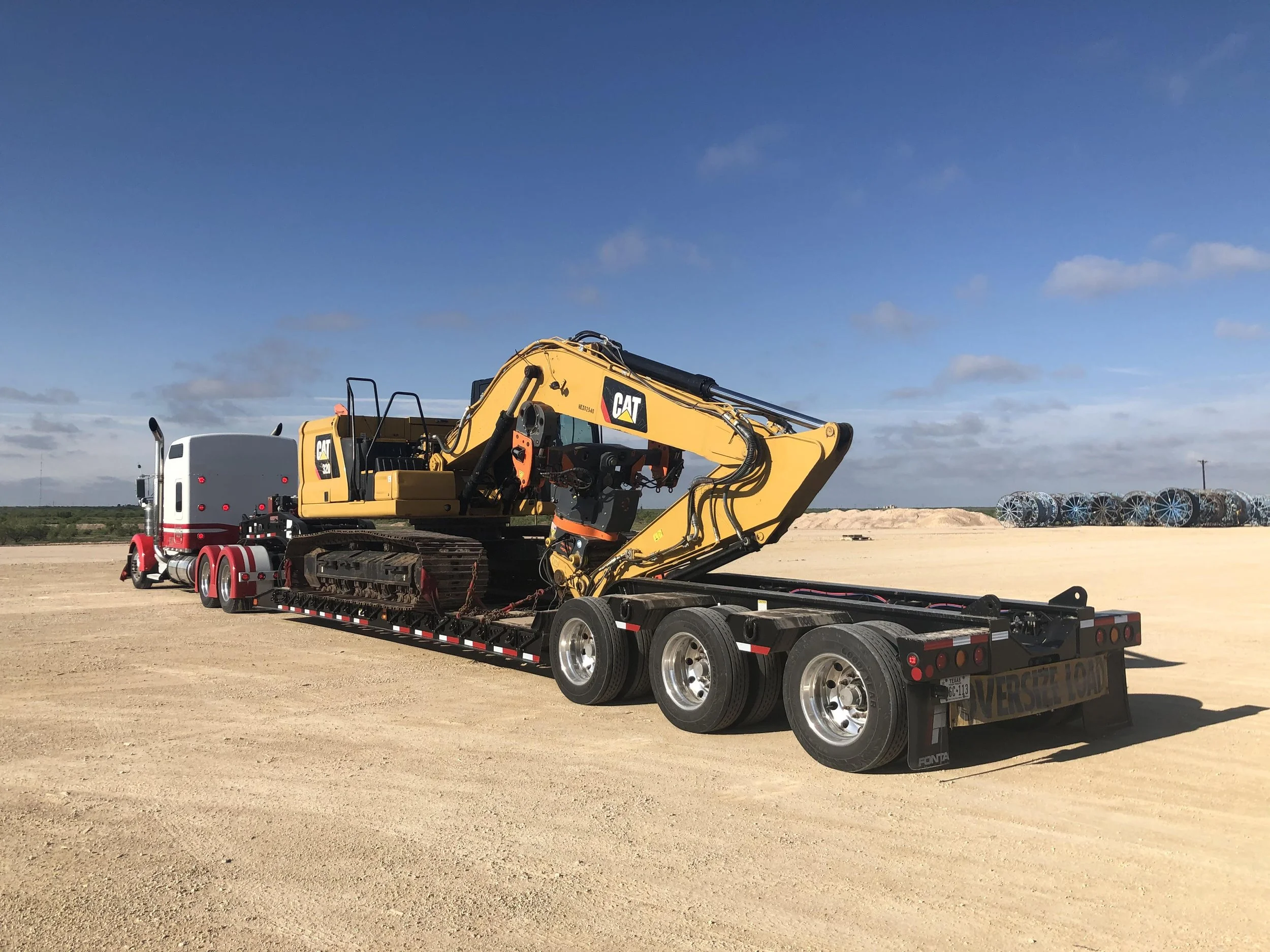
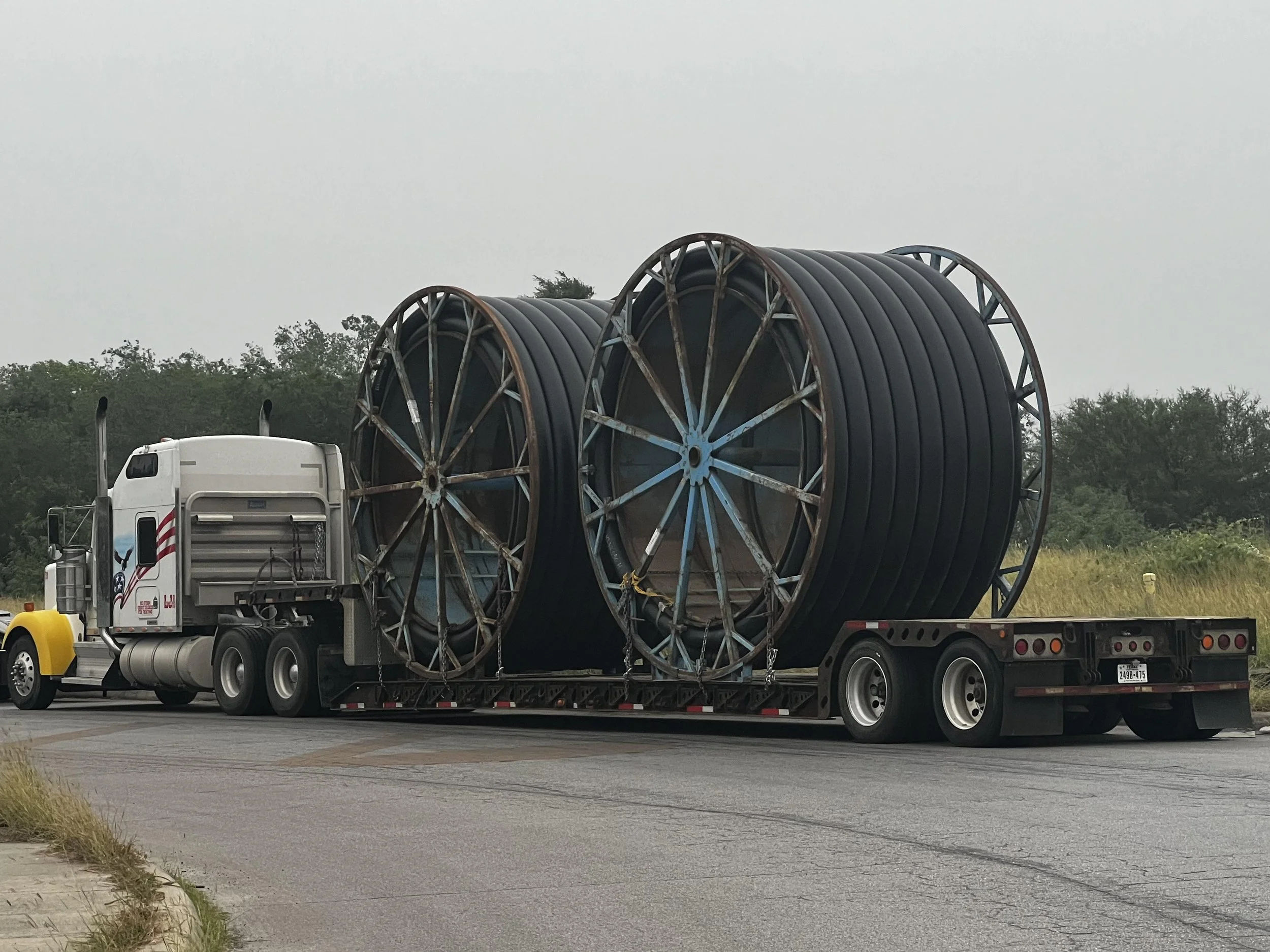
Sometimes, the oil patch needs something bigger than a standard 48-foot or 53-foot flatbed can handle. This is where oversized load expertise enters the picture. Whether it’s wide-diameter tanks or tall processing skids, over-dimensional hauling requires permits, pilot cars, and specialized route surveys.
Navigating these loads through the narrow, winding roads typical of many oilfield leases requires a high level of driver skill. One wrong turn can lead to a bridge clearance issue or a trailer bottoming out on a steep grade. Professional heavy-haulers anticipate these challenges long before the truck ever leaves the yard.
By partnering with a carrier that understands the nuances of heavy machinery and oilfield transport, companies can avoid the permit delays that often plague large-scale moves. Precision in logistics allows for the seamless integration of these massive components into the larger site plan.
Supporting the Infrastructure of Energy
Flatbed trucking also plays a vital role in the infrastructure that supports the wells. This includes hauling the materials for gathering systems, pipelines, and midstream facilities. Steel beams, large-diameter valves, and industrial coils are the building blocks of the energy grid.
The delivery of these materials must be synchronized with construction schedules. If the pipe arrives before the ditch is dug, it creates a storage headache; if it arrives late, the crew sits idle. This choreography between the flatbed fleet and the construction site is what allows major projects to stay on budget and on schedule.
In fact, flatbed trucking is the backbone of jobsite logistics because it offers the most versatile platform for diverse materials. Whether it's a load of structural steel or several reels of flexible pipe, the flatbed trailer is the tool that gets it there.
Conclusion: Partnering for Oilfield Success
The oil patch is a demanding environment that leaves no room for logistical errors. The stakes are high, the equipment is heavy, and the clock is always ticking. Regional and OTR flatbed trucking provide the flexibility and reliability needed to keep the industry moving forward.
Choosing the right hauling partner is about more than just finding a truck; it’s about finding a team that understands the urgency of your operations. From ensuring DOT compliance to mastering complex load securement, a professional carrier like LJA Solutions Llc is a vital part of your operational success.
When the trucks are moving, the oil is flowing. By investing in high-quality flatbed logistics, you’re not just moving equipment; you’re protecting your bottom line and ensuring the long-term viability of your projects in the field.